

A construction loan finances the building of a new home or major renovations by releasing funds in stages as construction progresses. This helps manage cash flow effectively. In this article, we will explain how construction loans work, their benefits, and what you need to apply for one.

Construction loans are specialized financial products designed to support the building of new homes or major renovations, providing the necessary funds to cover construction costs from start to finish. Unlike traditional home loans that disburse a lump sum, construction loans work by releasing funds in stages, ensuring that payments are made only for completed work. This staged disbursement aligns with the construction milestones, helping manage cash flow effectively throughout the building process.
These loans cater to a variety of projects, from constructing a new house to making significant alterations to an existing property. Borrowers collaborate with licensed builders to create a detailed fixed price building contract that outlines estimated costs and a progress payment schedule, ensuring transparency and financial control.
Grasping the structure of construction loans helps you navigate the complexities of financing your building project.
The operation of construction loans is distinct from that of standard home loans. Instead of providing a lump sum at settlement, construction loans disburse funds in instalments, corresponding to specific stages of the construction process. This progressive drawdown method enables borrowers to manage finances more effectively by paying for completed work instead of the entire project upfront.
Such a structure ensures that funds are available when needed, directly tied to construction milestones. Examining progress payments and the interest-only period provides further clarity on how construction loans function in practice.
Progress payments are a cornerstone of construction loans, designed to coincide with the various stages of a building project. These payments are made at key milestones, such as the completion of the slab, frame, lock-up, fit-out, and final stages. A detailed progress payment schedule is prepared by the licensed builder and approved by the lender, ensuring that each stage is funded appropriately. This method not only facilitates smooth cash flow but also ensures the builder is compensated for work completed according to the agreed plan.
Typically, the first progress payment is made after the initial construction work is satisfactorily completed and the invoice is signed. Subsequent payments follow inspections that verify each stage has been completed according to the building plans. Rigorous verification ensures both lender and borrower are protected, with funds released only after satisfactory completion of each phase.
The final progress payment is made after a final inspection and valuation, marking the completion of the construction process.
During the construction phase, borrowers typically benefit from an interest-only period, which significantly aids in managing cash flow. Unlike standard loans that require full principal and interest repayments from the start, construction loans allow borrowers to pay interest only on the amounts drawn down during the building phase. This means that as each progress payment is made, borrowers are only paying interest on the funds they have actually used, rather than the entire loan amount.
The interest-only period, which can last up to five years, offers significant financial relief. Upon construction completion, the interest loan transitions to standard principal and interest repayments, covering the full loan amount.
This setup allows borrowers to concentrate on their construction project without the immediate burden of hefty repayments, facilitating better financial planning and stability.

Construction loans offer a host of benefits that make them an attractive option for financing building projects. One of the primary advantages is the ability to manage cash flow effectively during the construction period. Paying only the interest on drawn amounts enables borrowers to allocate funds more efficiently. This results in lower repayments during the construction phase, compared to traditional loans where interest accrues on the full amount immediately.
Another significant benefit is the potential to save on interest charges through structured progress payments. Additionally, borrowers can leverage equity from existing properties to secure further funding, providing a flexible financial foundation for their building projects.
Allocating a contingency fund of 10% to 15% of the total project cost is advisable to manage unexpected expenses, keeping the project financially on track. These features collectively make construction loans a viable and strategic choice for both new builds and major renovations.
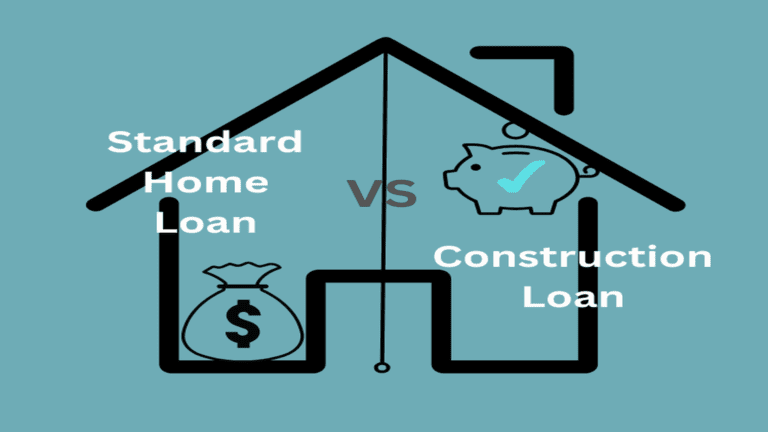
Recognizing the key differences between construction loans and standard home loans is crucial for an informed financing decision. Construction loans provide funds in stages as the construction progresses, unlike standard home loans that disburse a lump sum at settlement. Staged disbursements align with construction milestones, ensuring funds are available when needed. Furthermore, construction loans may offer both principal and interest or interest-only repayment structures, providing flexibility during the building phase.
Another critical distinction is the interest rate. Construction loans generally have higher interest rates due to the associated risks, such as project delays.
Consider potential fees, the lender’s reputation, customer service, and loan term flexibility when selecting a construction loan. These factors can greatly affect the cost and experience of managing your construction loan, so choosing a lender that aligns with your financial goals and project needs is vital.
Applying for a construction loan involves a more detailed process compared to standard home loans. Borrowers need to provide specific documentation, including council-approved plans, a signed building contract, and evidence of income, expenses, assets, and liabilities. Additionally, a valuation of the proposed construction site by a registered valuer is typically required. Meeting the specific credit approval criteria for construction loans is essential for a successful application.
The next sections will explore conditional approval and deposit requirements, offering further insights into the application process.
Conditional approval represents a pivotal step, indicating tentative loan approval pending specific conditions. These conditions might include finalizing the building contract, obtaining necessary permits, or meeting certain financial criteria. It gives borrowers a clear understanding of the requirements for final loan approval, aiding in document preparation and organization.
Pre-approval helps borrowers understand their borrowing capacity early, allowing them to plan their project accordingly. Institutions like ANZ offer pre-approval for applicants who meet their requirements, providing a sense of assurance and financial clarity as they move forward with their building plans. This stage is crucial for ensuring a smooth transition to final approval, minimizing delays and potential obstacles.
Deposit requirements, influenced by market conditions and lender policies, are critical for securing a construction loan. Recognizing these factors aids borrowers in negotiating better terms and planning their finances more effectively. Typically, lenders require a certain percentage of the total loan amount as a deposit, which can vary based on the project’s scope and the borrower’s financial profile.
Prospective borrowers should be well-prepared to meet these deposit requirements, as they play a significant role in the loan approval process. Planning ahead and having a clear understanding of how much deposit is needed can prevent financial hiccups and ensure a smoother application process.
By being aware of these requirements, borrowers can better manage their funds and negotiate favorable terms with their lenders, including lenders mortgage insurance.
Effective construction loan management demands careful monitoring and proactive financial oversight. Creating a clear schedule with your lender that outlines payment timelines aligned with construction milestones is crucial. Regularly tracking expenses and maintaining open communication with your contractor helps avoid delays and keeps the project within budget.
The following subsections will explore strategies for monitoring progress payments and handling potential cost overruns.
Monitoring progress payments is vital for maintaining project momentum and effective cash flow management. Payments are released in stages based on the satisfactory completion of specific construction phases, ensuring that funds are allocated appropriately and the project continues to move forward. This structured approach helps maintain financial discipline and prevents overspending, as funds are only disbursed when necessary.
Meeting required standards for each construction phase is crucial for the timely release of funds. Regular inspections and adherence to the progress payment schedule can help avoid delays and ensure that the project remains on track. Closely monitoring progress payments helps borrowers maintain financial control and ensure a smooth building process.
Cost overruns are an inevitable part of managing a construction project. Open communication with your builder can help anticipate potential cost increases before they escalate. Active involvement in the project, including regular site visits, can help address issues quickly and keep the project on budget.
Cost increases usually require credit approval and can result in additional fees or reduced loan limits. Having a contingency budget and seeking additional funding options early can mitigate the impact of cost overruns.
Staying proactive and engaged helps borrowers navigate financial challenges effectively, ensuring successful project completion.

Finalizing a construction loan requires several critical steps to ensure satisfactory project completion and a smooth transition to standard mortgage repayments. A final inspection by a bank valuer ensures the construction meets agreed standards before releasing the last payment. After meeting all requirements, including securing proper home and building insurance, the lender releases the final payment, completing the construction phase.
Once the final progress payment is made, the loan officially transitions from the construction phase to the standard loan term. Borrowers can then choose their preferred repayment frequency, set up recurring payments, and establish an offset account if desired. This transition marks the end of construction and the start of regular mortgage repayments, ensuring financial stability and future planning.
Managing a construction loan also involves using financial tools like an offset account to save on interest charges. An offset account linked to your construction loan can help reduce the interest calculated on your loan balance, leading to potential savings. However, maintaining such an account may incur a monthly servicing fee, which should be factored into your financial planning.
Other considerations involve keeping detailed records of project expenses and maintaining regular communication with your lender and builder. Staying organized and proactive helps ensure the construction project proceeds smoothly and stays within budget.
These additional tips can help maximize the benefits of a construction loan and ensure a successful building experience.
In summary, construction loans are a powerful tool for financing new builds and major renovations, offering structured payment plans, flexible interest-only periods, and the ability to manage cash flow effectively. By understanding how construction loans operate, including the intricacies of progress payments and the interest-only period, borrowers can navigate the building process with confidence.
The benefits of construction loans are numerous, from potential interest savings to leveraging existing equity. By staying informed about the key differences between construction loans and standard home loans, and understanding the eligibility and application process, borrowers can make informed decisions that align with their financial goals. As you finalize your construction loan and transition to standard repayments, these insights will help you achieve a successful and financially sound building project.
To apply for a construction loan, you will need council-approved plans, a signed building contract, and documentation of your income, expenses, assets, and liabilities. These documents are essential to ensure a smooth application process.
Progress payments in construction loans are disbursed at significant milestones, contingent upon verified inspections of the completed work at each stage, such as after laying the foundation or framing. This process ensures that funds are released based on the actual progress of the project.
The interest-only period in a construction loan allows you to pay only the interest on the amounts drawn during the construction phase, facilitating better cash flow. Once construction is complete, the repayment structure changes to include both principal and interest.
The key differences between a construction loan and a standard home loan include the disbursement of funds, which occurs in stages for construction loans, and the typically higher interest rates associated with them due to increased risks. Additionally, construction loans often provide interest-only repayment options during the construction period, unlike standard home loans.
To effectively handle cost overruns during your construction project, maintain open communication with your builder and regularly visit the site. Additionally, prepare a contingency budget and seek additional funding promptly if unexpected costs arise.
Yes, owning land can actually improve your application, especially if there’s equity in the land. The lender will use the combined value of the land and the construction to assess your borrowing capacity.
Example:
You bought land for $300,000 and it’s now valued at $350,000. That $50,000 equity can count toward your deposit or lower your LMI.
Most lenders require at least a 5–10% deposit, but professionals like doctors, police, or nurses may qualify for low deposit options or waived LMI with selected lenders.
Example:
As a registered nurse, you may qualify for a construction loan with just a 5% deposit and no LMI — potentially saving you thousands upfront.
Yes, most lenders require a fixed-price building contract with a licensed builder before approving your loan. This helps the bank manage risk and ensures there are no major cost blowouts.
Example:
If your builder provides a “cost-plus” contract (variable pricing), most lenders won’t accept it — a fixed-price contract is usually mandatory.
It depends. Minor changes may be allowed, but significant design or cost changes will likely need reassessment by the lender.
Example:
Adding a swimming pool halfway through the build may require an updated building contract, new valuation, and lender re-approval.
Most lenders give you between 12 and 24 months to complete the construction after the first progress payment. Extensions may be granted, but must be approved.
Example:
If construction is delayed due to weather or builder issues, your broker can help request an extension from the lender before the deadline.
During construction, you generally pay interest-only on the funds drawn. Once construction is complete, the loan converts to a standard principal & interest loan.
Example:
You might pay only interest for 9 months while building and then begin full repayments once the final inspection is complete.

EXCELLENTTrustindex verifies that the original source of the review is Google. It was great for me, everything was fantastic and fast for home loan and application. Thanks very much 👍 good work well donePosted onTrustindex verifies that the original source of the review is Google. These people are very professional and prompt in giving the best choices for home loan in the market and also assist through the application process. We worked with Nishant and Jill. They are very friendly and professional. Even came home to explain and few things and making the process easier to consume. We had ours done and approved through their services and are very happy with the outcome. Would highly recommend their services!!Posted onTrustindex verifies that the original source of the review is Google. Corr and Ash from Triple O Finance assisted me with my refinance application with ease. They answered my questions and queries ensuring I was provided the best product for the second time. I would highly recommend their services to anyone looking for refinance. They are accountable, approachable and will see your application through to settlement.Posted onTrustindex verifies that the original source of the review is Google. Jill & Ash were great throughout the loan process. They worked with my Accountant and Solicitor to ensure the loan approval was always done on time and settled my new home purchase. Highly recommend their service to anyone looking for finance.Posted onTrustindex verifies that the original source of the review is Google. Nishant and Jill were fantastic. They were always available for questions and always answered our queries patiently. They took us through the whole process putting in all the hard work ,commitment and dedication required to get us the loan with the best interest rates and in the way we wanted it set up. Thank you Triple O Finance. Thank you Jil. Thank you Nishant.Posted onTrustindex verifies that the original source of the review is Google. Ash and the team were incredibly responsive and fantastic in addressing my mortgage queries. They assisted me in securing the best deals for bank loans, managed all my communications with the banks, and supported me throughout the entire settlement period.Posted onTrustindex verifies that the original source of the review is Google. I was so happy to work with this team. They are amazing, professional and patience with their clients 👌 I strongly recommend them.Posted onTrustindex verifies that the original source of the review is Google. Would highly recommend triple o finance. Nish, Corr and the team always provided great professional service, answered all our questions in a timely manner and helped us successfully secure our loan.Posted onTrustindex verifies that the original source of the review is Google. A big thank you to Corr and Ash at Triple O Finance for helping us navigate the process of purchasing a property through our SMSF. Their clear and timely communication throughout the process was invaluable.Posted onTrustindex verifies that the original source of the review is Google. We had opportunity to get the home loan arranged via Triple o finance and we were very grateful to the services provided by Nish and Ash. They were very professional, helpful, and at times went out of the way to make sure the process goes smoothly. They did proper due diligence that the settlement happens in timely manner. Once again we are very thankful to Nish for providing great support which made us to purchase our dream home. Also special mention for Ash and Jill who worked tirelessly in making this possible..Verified by TrustindexTrustindex verified badge is the Universal Symbol of Trust. Only the greatest companies can get the verified badge who has a review score above 4.5, based on customer reviews over the past 12 months. Read more